Understanding Near Field Communication
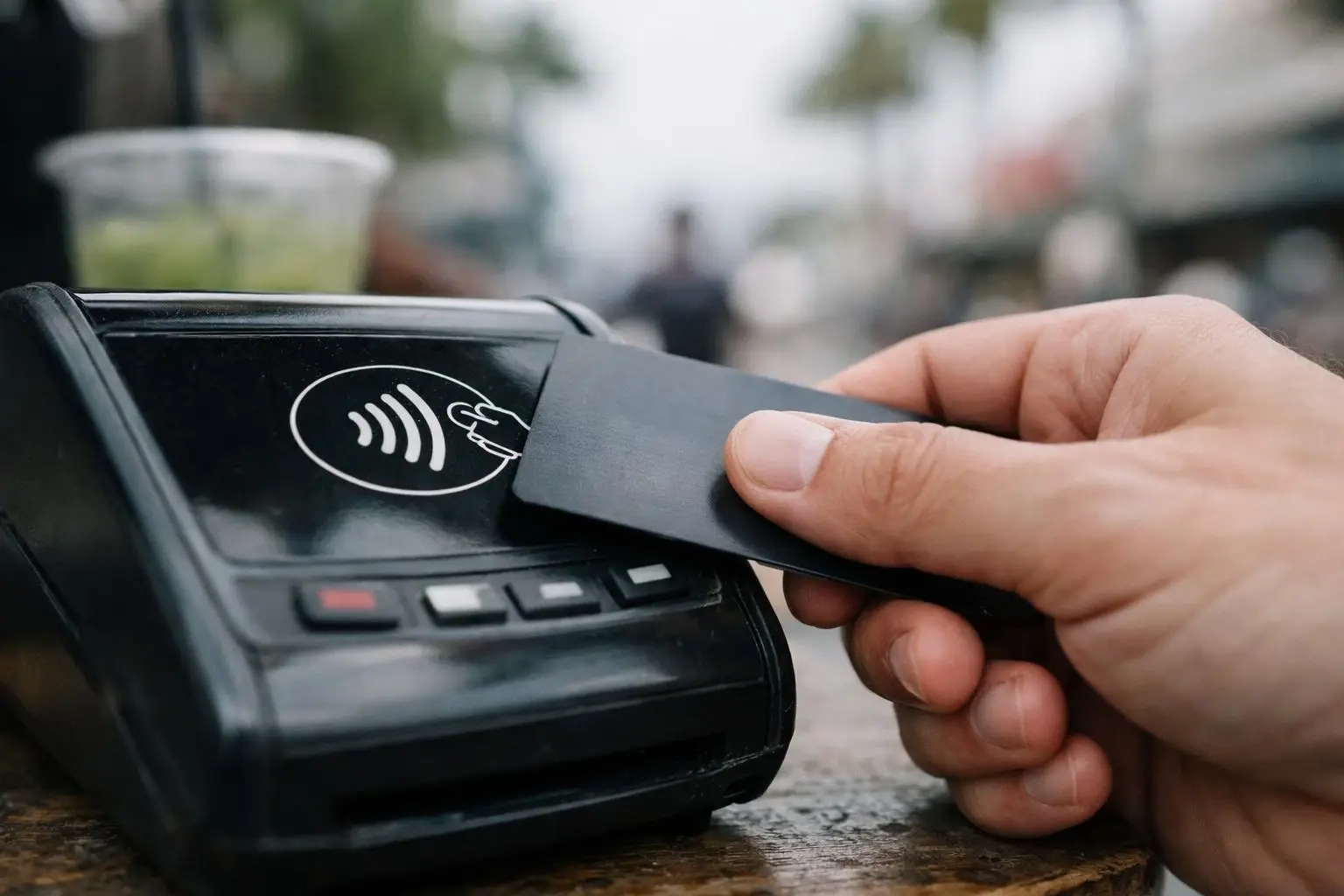
Near Field Communication. Or NFC, is a wireless protocol. It lets two devices exchange data when they're close together. This happens within a few centimeters. Unlike Bluetooth or Wi-Fi, NFC doesn’t need manual pairing or setup.
Related glossary terms: EMV Chip, Payment Processor, Tokenization.
This simplicity makes NFC great for fast, easy tasks. It’s used for contactless payments, transit tickets. And secure building access. These applications need speed and ease of use.
NFC works at 13.56 MHz, a global radio frequency band. It’s unlicensed and supports speeds up to 424 kilobits per second. This is enough for small data like payment tokens or IDs.
The short range—about 4 centimeters—boosts security. It reduces risks like eavesdropping or accidental data interception.
How Near Field Communication Works?
NFC uses magnetic field induction. An active device creates a radio frequency field. This powers a passive device, like an NFC tag or card.
Passive devices don’t need their own power. This makes them cheap and easy to use in stickers, cards. Or posters. When an NFC phone or terminal gets close, it powers the passive device. Then, data can be exchanged.
NFC has three operating modes. In reader/writer mode, an active device reads or writes to passive tags. These tags might be in smart posters. Peer-to-peer mode lets two active devices, like phones, share data directly.
This enables features like sharing contacts or photos. Card emulation mode lets a device act like a contactless card. This is how mobile wallets, like Apple Pay or Google Pay, work at checkout. All modes use the same technology and security.
Security is key in NFC. Data can be encrypted during transmission. The short range also cuts interception risks. Many NFC transactions need user authentication first.
A fingerprint or PIN may be required before sensitive data is released. This layered security helps prevent fraud and unauthorized access. It makes NFC safe for payments and identity use.
Why Near Field Communication Matters?
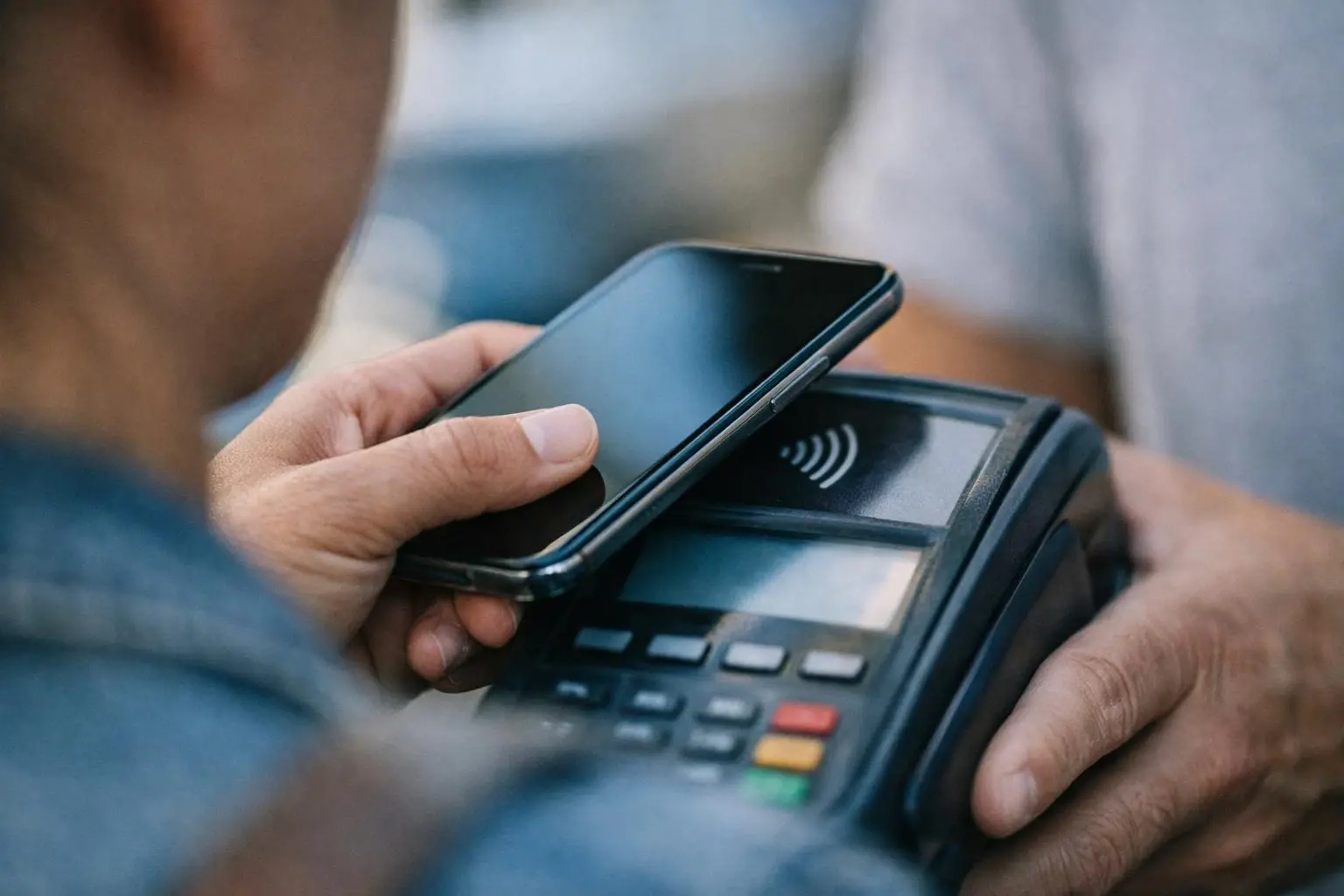
NFC is critical for payments and digital identity. For merchants, it enables fast, secure. And easy transactions. This reduces checkout times and improves customer satisfaction.
Unlike swiping or inserting cards, NFC transactions finish in under a second. This is valuable in busy places like stores, transit stations. And events. NFC also supports tokenization.
This replaces sensitive card details with unique tokens. It further reduces data breach risks.
Beyond payments, NFC improves efficiency in healthcare, logistics. And access control. Hospitals use NFC badges for secure staff access. Logistics companies use NFC tags to track inventory.
The ability to store and send small data without contact makes NFC versatile. It’s used for automation, authentication. And information sharing in many fields.
When Near Field Communication Matters Most?
NFC is important where speed, security. And convenience matter. Businesses with NFC payment systems let customers tap cards or phones. This is faster than inserting or swiping.
It also reduces wear on payment terminals. This is valuable in busy places like coffee shops, grocery stores. And transit systems. Long lines can deter customers and hurt sales.
NFC is also key in industries needing secure authentication. Financial firms, governments. And hospitals use it to verify identities. It grants access to secure areas and protects data.
For example, an NFC badge ensures only authorized staff enter restricted areas. An NFC payment terminal meets PCI DSS standards with encrypted transactions. NFC is also being added to wearables and smart devices.
This expands its role in daily consumer interactions and IoT systems.