Glossary

What is Payment Processor?

Payment Processor is a financial technology company or service that facilitates electronic transactions between merchants, customers. And financial institutions. Payment Processors handle the authorization, clearing. And settlement of credit card, debit card. And other digital payments, ensuring funds are securely transferred from the customer’s bank to the merchant’s account.

Sources reviewed: Payment Card Industry Security Standards Council (PCI SSC), Federal Trade Commission – Payment Processing

Quick Facts About Payment Processor

Category

Financial technology service

Used for

Electronic payment authorization and settlement

Common confusion

Often confused with payment gateways, which only transmit data

Also called

Payment Processing Company, Credit Card Processor

Often discussed with

Credit Card Payment Processing, Merchant Account Services

Key Takeaways About Payment Processor

Understanding Payment Processor

Payment Processor in Credit Card Processing: Payment Processor is a financial technology company or service that facilitat...

A Payment Processor is a critical part of electronic payments. It acts as the bridge between merchants and banking networks. When a customer swipes a card or enters details online, the processor gets that data. It then routes it through networks like Visa or Mastercard to check funds.

Related glossary terms: Acquirer, Payment Card Industry Data Security Standard, PCI Compliance.

This check happens in seconds. It lets merchants complete sales quickly and securely. Payment Processors also help detect fraud. They analyze transaction patterns and look for anything unusual. Security tools like tokenization and encryption protect sensitive data.

Once approved, the processor starts settlement. It moves funds from the customer’s bank to the merchant’s account. This cycle—from approval to settlement—usually takes 1 to 3 business days. The time depends on the processor and banking networks involved.

How Payment Processor Works?

The workflow starts when a customer pays. This can be in-store, online. Or via mobile. The processor gets the transaction details through a payment gateway or POS system. It sends this info to the card network, like Visa or Mastercard.

The network routes it to the customer’s bank for approval. The bank checks the balance, credit limit. And fraud signals. It then sends a response back through the same channels. If approved, the processor records the transaction and prepares it for settlement.

At day’s end, merchants batch approved transactions. They send them to the processor for settlement. The processor groups these and submits them to card networks. These networks help transfer funds from issuing banks to the merchant’s bank. The merchant gets the net amount, minus fees.

Many parties work together here. These include processors, card networks, issuing banks. And acquiring banks. They ensure accurate and timely fund transfers. Payment Processors also handle chargebacks, refunds. And disputes. They manage communication between the merchant, bank. And card network.

They must follow PCI DSS rules. These set standards for protecting cardholder data. Not complying can lead to fines or losing processing rights.

Why Payment Processor Matters?
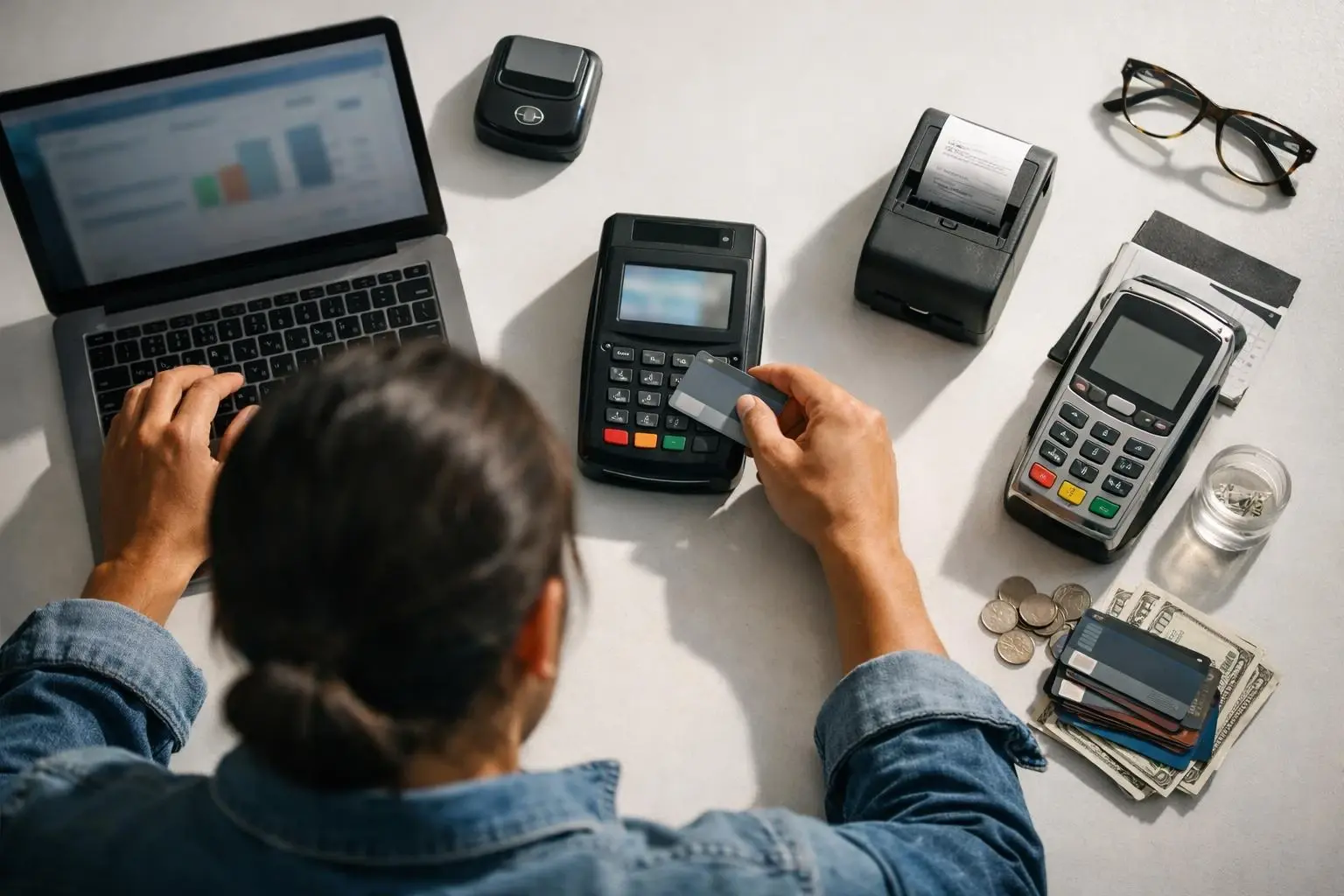
How Payment Processor applies to Credit Card Processing services in Long Beach, United States—practical illustration

The right Payment Processor affects efficiency, costs. And customer experience. Processors charge different fees. These include interchange fees, assessment fees. And markup. High-volume businesses see these costs add up fast.

Some processors specialize in certain industries. These may include retail, e-commerce. Or high-risk sectors. They offer services like recurring billing or multi-currency support. The right processor can cut declines, speed settlements. And improve cash flow.

Security is also key. Processors must protect financial data. Following PCI DSS helps prevent breaches. A breach can cause financial loss, reputational damage. Or legal trouble. Extra security features help too.

These include tokenization and end-to-end encryption. Real-time fraud monitoring adds another layer of protection. It reduces fraud and chargeback risks.

When Payment Processor Matters Most?

Payment Processors matter during key business decisions. These include choosing a merchant account or expanding sales channels. An e-commerce business with subscriptions needs recurring billing. It also needs secure payment storage.

A retailer upgrading to a modern POS system needs contactless payments. It must work with EMV chip cards and mobile wallets. High-risk industries face stricter rules. They may pay higher fees or get rejected by mainstream processors.

Specialized high-risk processors can help. They cost more but provide needed services. Businesses selling across borders need multi-currency support. They must follow local payment laws. During busy seasons, processors must handle high volume.

This prevents delays or outages. It keeps operations smooth and customers happy.
How to Evaluate Payment Processor?

Related Concepts Compared

Payment Processor vs. Payment Gateway

A Payment Gateway transmits transaction data from the merchant to the Payment Processor. While the processor handles the actual authorization and settlement with banks.

Payment Processor vs. Acquirer

An Acquirer is the financial institution that holds the merchant’s account and facilitates fund settlement, often partnering with Payment Processors to handle transactions.

Payment Processor vs. Merchant Account

A Merchant Account is a type of bank account that allows businesses to accept card payments. While a Payment Processor manages the technical and financial aspects of those transactions.

Expert Note

While many merchants focus on fees, the reliability and uptime of a Payment Processor are equally critical. A processor with frequent outages or slow response times can cost more in lost sales than the savings from lower fees. Always review service level agreements (SLAs) for uptime guarantees.

Common Mistakes or Myths About Payment Processor

  • Assuming all Payment Processors offer the same fees—rates vary based on transaction volume, industry. And risk level.
  • Confusing Payment Processors with payment gateways, which only transmit data and do not handle settlement.
  • Ignoring PCI DSS compliance, leading to potential fines or loss of processing privileges.
  • Overlooking settlement times, which can impact cash flow for businesses with tight margins.
  • Choosing a processor based solely on cost without considering reliability, uptime. Or customer support.

Payment Processor in Practice: A Real-World Example

A Long Beach-based coffee shop upgrades its POS system to accept contactless payments. The shop’s Payment Processor receives transaction data from the POS terminal, routes it through the Visa network to the customer’s bank for approval. And settles the funds into the shop’s merchant account within two business days, minus processing fees.

Sources & Further Reading on Payment Processor

Related Services

Related Terms

Acquirer

Acquirer is a financial institution or bank that processes credit and debit card payments on behalf of merchants, enabling them to accept card payments from customers. Acquirers facilitate transaction authorization, settlement. And funding by connecting merchants to card networks like Visa, Mastercard. And American Express. While assuming financial liability for approved transactions.

Payment Card Industry Data Security Standard

Payment Card Industry Data Security Standard is a global security framework established by major card brands (Visa, Mastercard, American Express, Discover. And JCB) to protect cardholder data from theft and fraud. It sets mandatory technical and operational requirements for any organization that stores, processes. Or transmits payment card information, ensuring consistent security across the payment ecosystem.

PCI Compliance

PCI Compliance is a set of security standards designed to ensure that all companies that accept, process, store. Or transmit credit card information maintain a secure environment. Established by the Payment Card Industry Security Standards Council (PCI SSC), these standards aim to protect cardholder data from breaches and fraud. Compliance is mandatory for any business handling payment card transactions, regardless of size or transaction volume.

Interchange Fee

Interchange Fee is a non-negotiable transaction cost set by card networks like Visa, Mastercard. And Discover, paid by merchants to the card-issuing bank for each credit or debit card purchase. Interchange Fee covers fraud risk, processing costs. And network operations, varying by card type, transaction method. And merchant category.

Settlement

Settlement is the final step in credit card processing where funds from a customer’s transaction are transferred from the cardholder’s bank (issuing bank) to the merchant’s bank (acquiring bank). This process ensures merchants receive payment for sales after authorization and batch processing are completed, typically within 1-3 business days.

CreditCardProcessingLongBeach.com

Have Questions About Payment Processor?

Contact CreditCardProcessingLongBeach.com for practical guidance on Payment Processor and related credit card processing work in Long Beach.

Contact Us