Understanding Card Present
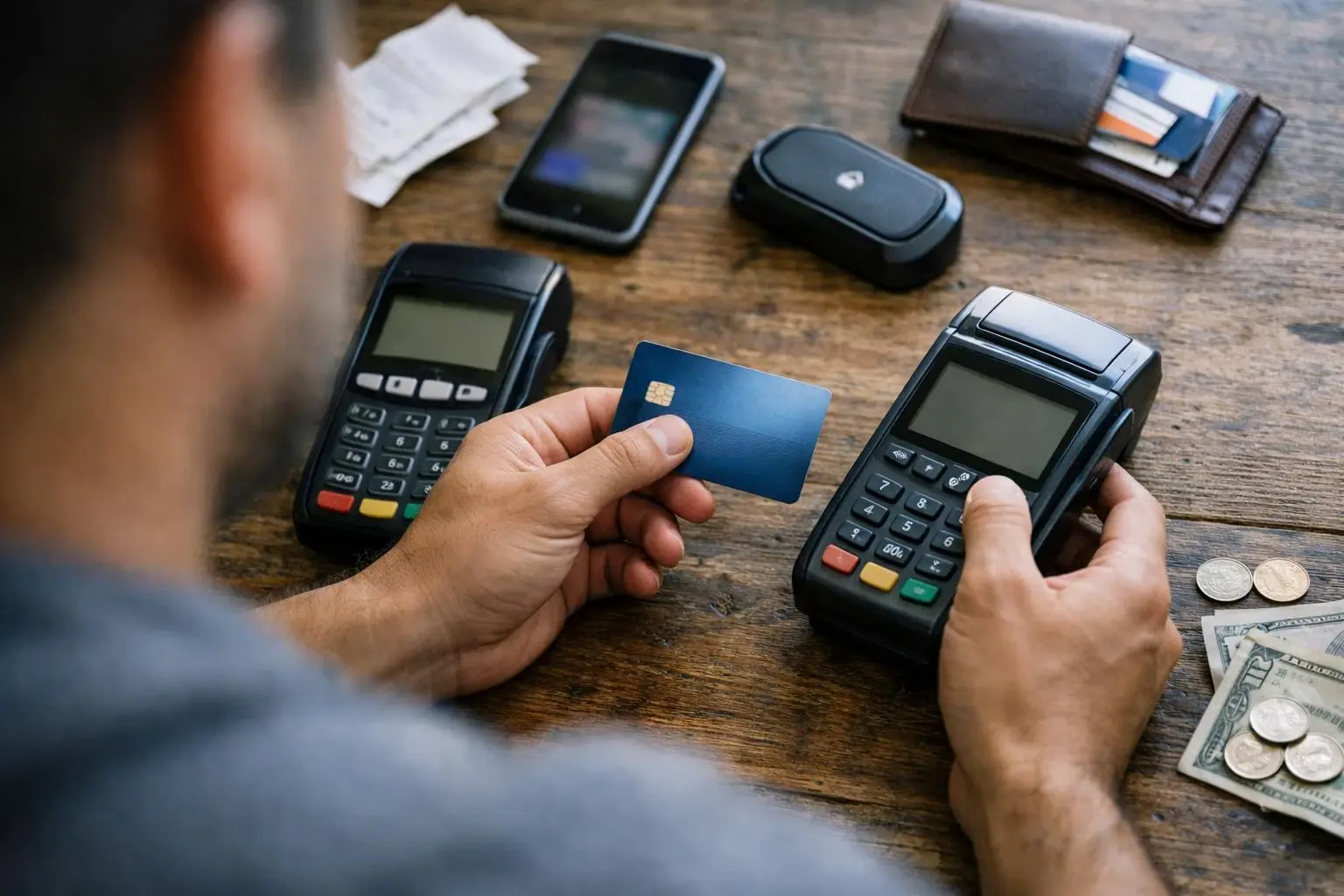
Card Present refers to a payment transaction where the customer’s physical credit or debit card is present at the point of sale and is read by a payment terminal. This method is commonly used in brick-and-mortar stores, restaurants. And other face-to-face environments where the cardholder interacts directly with the merchant. The transaction is initiated by swiping the card’s magnetic stripe, inserting the card’s EMV chip. Or tapping the card for a contactless payment via Near Field Communication (NFC).
Related glossary terms: Card Not Present, EMV Chip, Near Field Communication.
Because the card is physically present, these transactions are considered lower risk compared to online or phone-based payments. Payment processors and card networks often apply lower interchange fees to Card Present transactions due to the reduced likelihood of fraud. And the direct interaction with the card allows for immediate verification of the cardholder’s identity, further enhancing security.
How Card Present Works?
In a Card Present transaction, the payment process begins when the cardholder presents their physical card to the merchant. The merchant uses a payment terminal to read the card’s data, either through the magnetic stripe, EMV chip. Or contactless NFC technology. The terminal then sends this data to the payment processor, which routes it to the card issuer for authorization. The issuer verifies the card’s validity, checks for available funds. And either approves or declines the transaction.
Once approved, the terminal generates a receipt. And the funds are later settled into the merchant’s account. This process typically takes one to two business days. The use of EMV chip technology is particularly important in Card Present transactions, as it generates a unique transaction code for each purchase, making it difficult for fraudsters to replicate card data. Contactless payments, such as those using Apple Pay or Google Pay, also fall under the Card Present category, as they rely on the physical presence of the cardholder’s device or card.
Why Card Present Matters?

Card Present transactions are a cornerstone of in-person commerce, offering both merchants and consumers a secure and efficient way to process payments. For merchants, these transactions come with lower interchange fees compared to Card Not Present transactions, which can result in significant cost savings over time. The reduced risk of fraud also means fewer chargebacks and disputes, which can be costly and time-consuming to resolve.
For consumers, Card Present transactions provide a familiar and convenient payment method. The ability to use physical cards, whether through swiping, inserting. Or tapping, ensures compatibility with a wide range of payment terminals. And the immediate verification process reduces the likelihood of declined transactions due to insufficient funds or fraud detection, enhancing the overall shopping experience.
When Card Present Matters Most?
Card Present transactions are particularly important in industries where face-to-face interactions are the norm, such as retail, hospitality. And healthcare. For example, a retail store relies on Card Present transactions to process payments quickly and securely at the checkout counter. Similarly, restaurants use these transactions to settle bills at the table or counter, often integrating them with point-of-sale (POS) systems for smooth order management.
These transactions also become critical in situations where fraud prevention is a priority. Businesses that handle high-value transactions, such as jewelry stores or electronics retailers, benefit from the added security of Card Present payments. And merchants in regions with high rates of credit card fraud may prefer Card Present transactions to cut down on their exposure to fraudulent activity and associated financial losses.