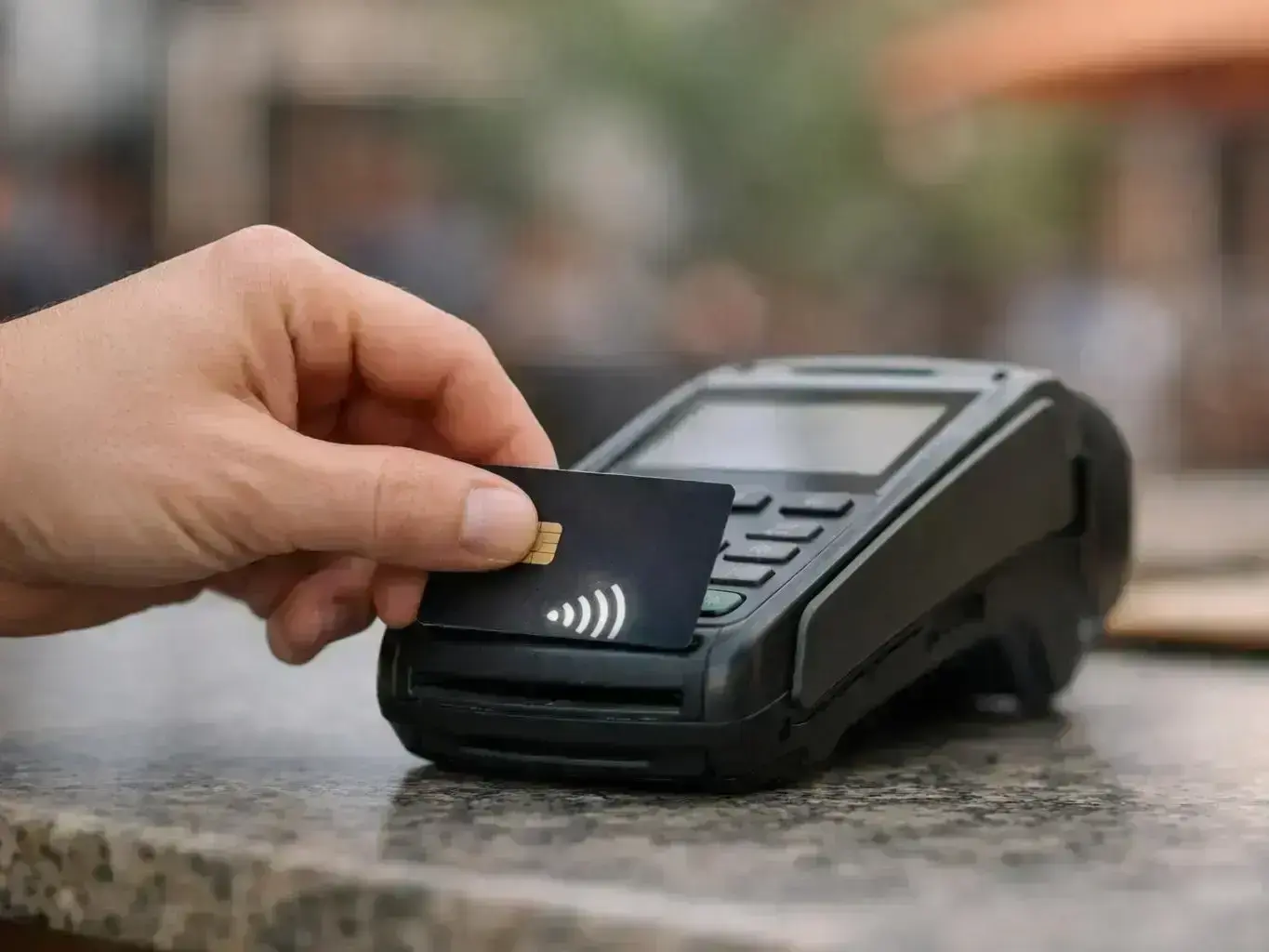
Understanding EMV Chip
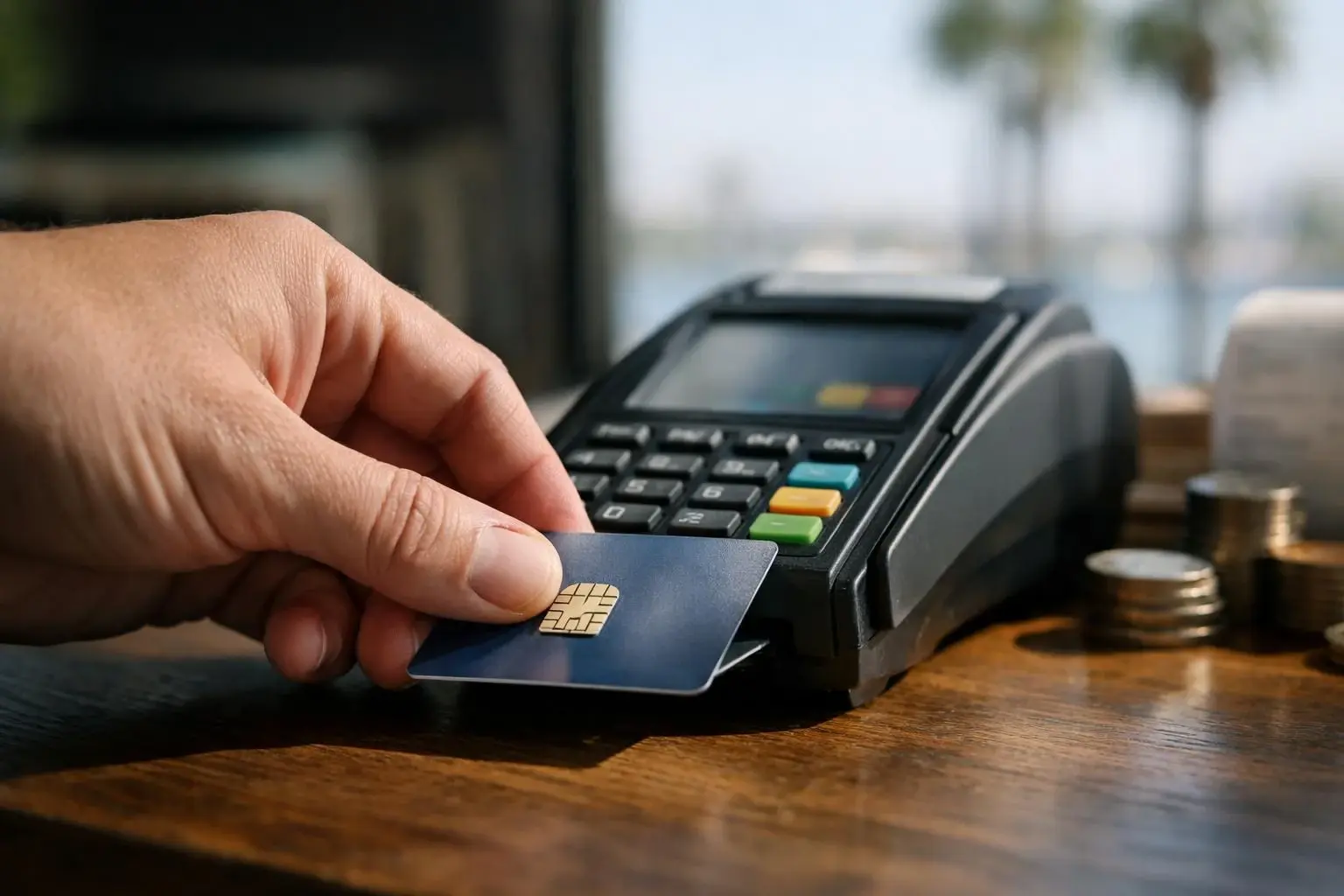
EMV Chip technology represents a fundamental shift in how payment cards store and transmit sensitive information. Unlike traditional magnetic stripes, which contain static data that can be easily copied, EMV Chips create dynamic transaction codes that change with every purchase. This cryptographic process, known as tokenization, ensures that even if transaction data is intercepted, it can't be reused for fraudulent purposes. The technology was first introduced in Europe in the 1990s before becoming a global standard through collaboration between Europay, Mastercard. And Visa.
Related glossary terms: Near Field Communication, Magnetic Stripe, Tokenization.
The adoption of EMV Chips has been driven by rising fraud rates associated with magnetic stripe technology. Before EMV implementation, counterfeit card fraud accounted for nearly half of all payment card fraud in the United States. The chip's ability to verify card authenticity through cryptographic authentication provides a layer of security that magnetic stripes simply cannot match. While EMV Chips are most commonly associated with credit and debit cards, the same technology is used in mobile payment solutions, transit cards. And even some identification documents.
How EMV Chip Works?
When a chip-enabled card is inserted into an EMV terminal, the chip and terminal engage in a secure dialogue called "chip authentication." This process begins with the terminal requesting the card's public key certificate, which is issued by the card network (Visa, Mastercard, etc.). The terminal verifies this certificate against its own database of valid issuers, ensuring the card is authentic. Once verified, the terminal sends a unique transaction challenge to the chip, which responds with a dynamically generated cryptogram specific to that transaction.
The cryptogram contains encrypted transaction details, including the amount, merchant identifier. And timestamp. This data is sent to the card issuer for verification, who checks that the cryptogram matches their expected values. Only after this multi-step verification process is complete does the issuer authorize the transaction. The entire process typically takes 3-5 seconds but can vary depending on network conditions and terminal capabilities. This workflow differs significantly from magnetic stripe transactions, which transmit static data without any authentication.
A common issue is EMV Chips support multiple verification methods, including chip-and-signature, chip-and-PIN. And contactless (NFC) transactions. While all EMV transactions share the same core security features, the verification method affects the cardholder experience and fraud liability. Chip-and-PIN transactions, for example, require the cardholder to enter a personal identification number, providing an additional layer of security compared to signature-based verification.
Why EMV Chip Matters?

The implementation of EMV Chip technology has had profound effects on payment security and fraud prevention. Since the U.S. Liability shift in 2015, which made merchants responsible for fraudulent transactions if they lacked EMV-compliant terminals, counterfeit fraud rates have dropped dramatically. According to Visa, merchants who upgraded to EMV saw a 76% reduction in counterfeit fraud between 2015 and 2018. This security improvement benefits all parties in the payment ecosystem: consumers enjoy greater protection against identity theft, merchants face lower fraud-related losses. And financial institutions reduce chargeback costs.
Beyond fraud reduction, EMV Chips enable more sophisticated payment experiences. The same chip technology that secures transactions can also support value-added services like loyalty programs, transit payments. And even offline transactions in areas with limited connectivity. The global nature of the EMV standard ensures interoperability across borders, making international payments more secure and reliable. For merchants, accepting EMV payments is increasingly becoming a competitive necessity, as consumers expect the security and convenience that chip cards provide.
When EMV Chip Matters Most?
EMV Chip technology becomes particularly important in scenarios where payment security is most vulnerable. High-risk industries such as electronics, jewelry. And luxury retail see the greatest benefit from EMV adoption due to their elevated fraud risk. Similarly, businesses that process large transaction volumes or high-ticket items face significant liability exposure if they lack EMV-compliant terminals. The technology is also critical for international merchants, as EMV compliance is required for processing payments from cards issued in most countries outside the United States.
Certain transaction types demand EMV verification more urgently than others. Card-present transactions, where the physical card is present during the sale, absolutely require EMV processing to avoid fraud liability. While contactless payments (using the same EMV chip) offer convenience, they still rely on the same cryptographic security as chip-and-dip transactions. Businesses should also be aware of situations where EMV might not be available, such as at unattended kiosks or in offline environments. And put in place appropriate alternative security measures in these cases.
In Long Beach, CA, where tourism and international commerce play significant roles in the local economy, EMV compliance helps merchants serve visitors from around the world while protecting against fraud. The city's diverse business environment—ranging from beachfront retailers to port-related enterprises—benefits from the universal security standard that EMV provides, ensuring consistent protection across all sectors.