Understanding Acquirer
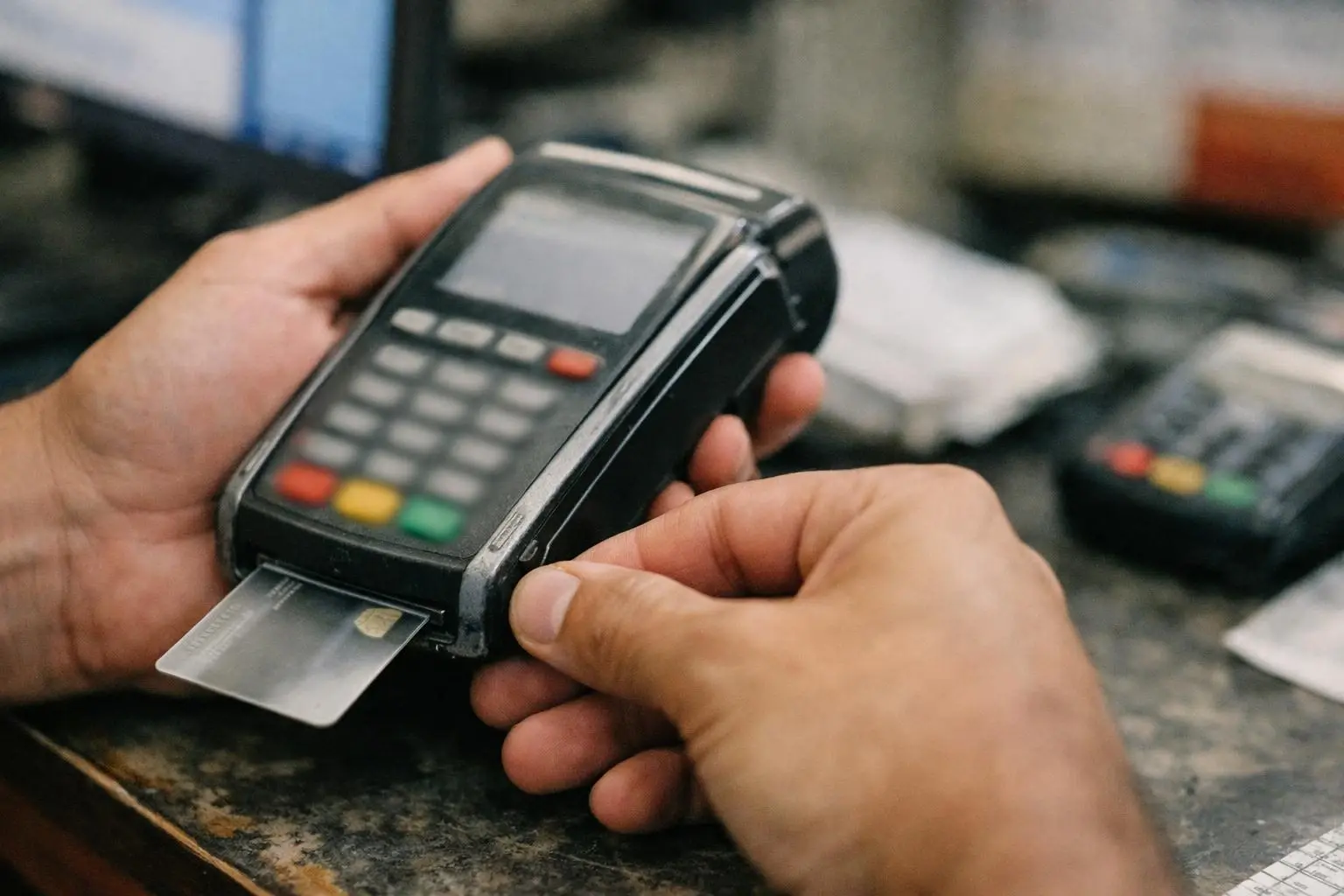
An acquirer is a financial institution. It’s also called a merchant acquirer or acquiring bank. Acquirers play a key role in payment processing. They act as intermediaries between merchants and card networks like Visa, Mastercard. And American Express.
Related glossary terms: Payment Processor, Merchant Category Code, PCI Compliance.
Their main job is to help merchants accept credit and debit card payments. They provide the infrastructure, technology. And financial backing needed. Without acquirers, merchants couldn’t process card transactions. That’s because merchants don’t have direct access to card networks.
Acquirers take on financial liability for approved transactions. They guarantee payment to the merchant, even if the cardholder later disputes the charge. This risk is a key difference between acquirers and other payment entities. Payment processors or ISOs usually don’t bear this liability.
Acquirers also handle settlement. They ensure funds from card transactions reach the merchant’s bank account. This usually happens within one to two business days. Timely access to funds is critical for businesses that rely on card payments.
How Acquirer Works?
A customer’s card payment starts the acquirer’s role. The merchant’s POS system or payment gateway sends transaction details to the acquirer. The acquirer then routes the request to the right card network. The network forwards it to the cardholder’s issuing bank.
The issuing bank approves or declines the transaction. It checks available funds, fraud detection. And account status. The card network sends the decision back to the acquirer. The acquirer then tells the merchant the result.
If approved, the acquirer ensures the merchant gets paid. They group all approved transactions over a set period, usually a day. During settlement, the acquirer deducts fees. These include interchange fees and their own processing fees. The remaining amount goes to the merchant’s bank account.
This process is automated and runs behind the scenes. Merchants don’t need to intervene after setup. They must follow payment industry standards, like PCI DSS, though.
Acquirers also manage chargebacks and retrieval requests. If a cardholder disputes a transaction, the acquirer helps. They provide the merchant with documents and deadlines. If the merchant doesn’t respond or loses the dispute, the acquirer deducts the amount. They may also add chargeback fees. This shows why merchants need accurate records and fraud prevention.
Why Acquirer Matters?
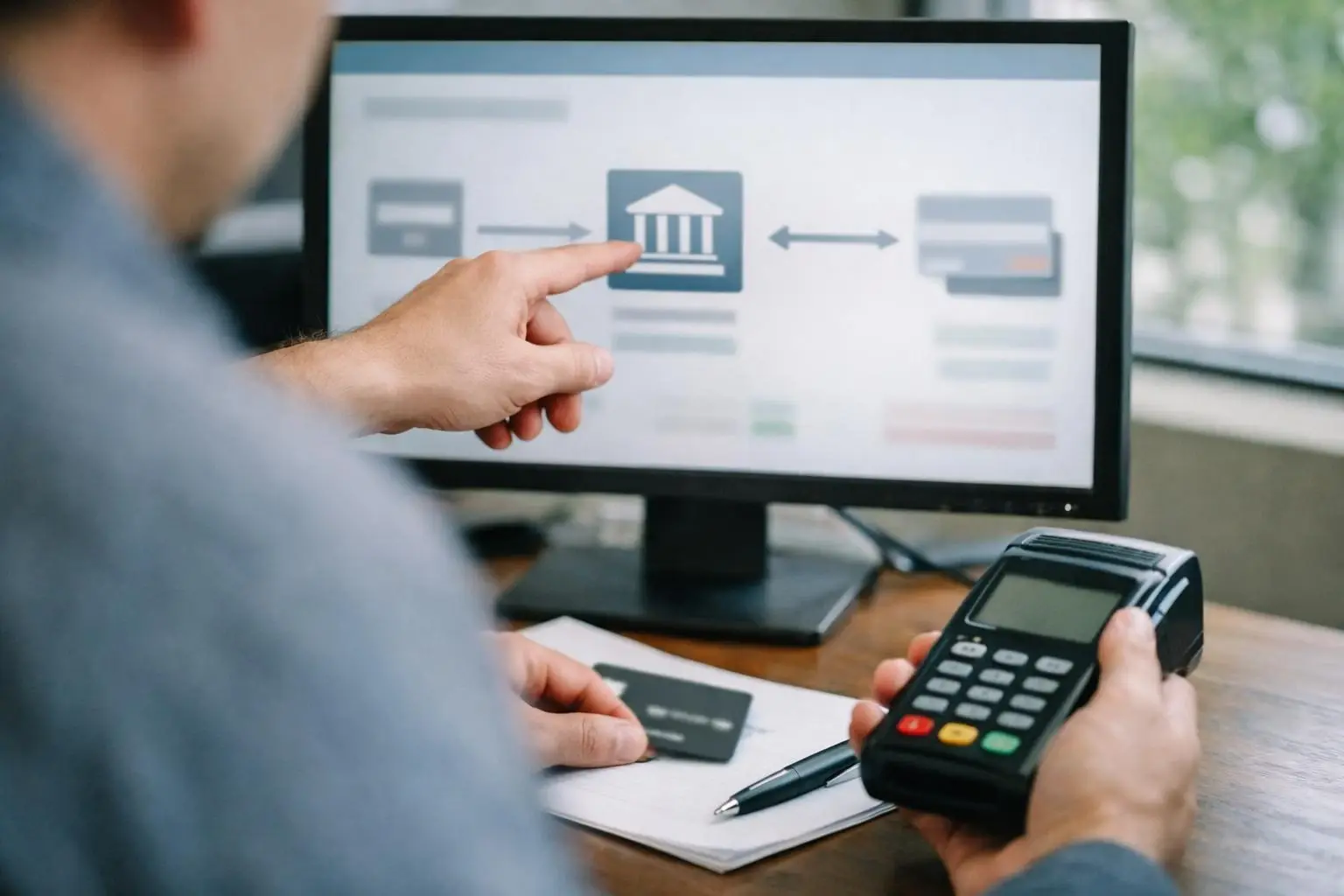
Acquirers are key to modern payments. Merchants need a reliable acquirer to accept card payments. These payments are a primary revenue source for most businesses. Acquirers provide technical tools like payment gateways and POS systems.
They also offer financial backing. This ensures merchants get paid even if a transaction is disputed. Without acquirers, merchants would struggle to accept card payments. That would limit service to customers who prefer cashless options.
Acquirers help keep the payment system stable and secure. They take on financial liability for approved transactions. This encourages merchants to follow fraud prevention and compliance rules. It reduces fraud and chargebacks, which cost merchants and cardholders.
Many acquirers offer extra services. These include fraud detection tools, analytics. And reporting. They help merchants improve payment processes and customer satisfaction. Small and medium businesses benefit most. They often lack resources to handle these tasks alone.
When Acquirer Matters Most?
Acquirers matter most in certain situations. A new business or e-commerce expansion needs one. For stores, the right acquirer offers compatible POS systems. Competitive fees can boost profitability.
Online businesses need secure payment gateways. They also need support for card-not-present transactions. These carry higher fraud and chargeback risks. High-risk industries like travel or gaming may need specialized acquirers. These handle higher chargeback rates and stricter rules.
During busy times, like holidays, merchants rely on acquirers. They need fast, efficient transaction processing. Delays can cause lost sales and hurt reputation. Merchants should check the acquirer’s customer support. Timely help is crucial for chargebacks, fraud alerts. Or technical issues.
Compliance with PCI DSS is ongoing. Merchants must ensure their acquirer provides the right tools. They need guidance to stay compliant. Choosing the right acquirer can make or break a business’s payment success.