Understanding CVV

CVV is a key security feature. It helps reduce fraud in transactions where the card isn't present. This includes online purchases, phone orders. Or mail-order sales.
Related glossary terms: Payment Card Industry Data Security Standard, Card Not Present, Address Verification Service.
The code is usually a three-digit number. It's printed on the back of Visa, Mastercard. And Discover cards. You'll find it near the signature strip. American Express cards use a four-digit code printed on the front.
The CVV isn't embossed or stored in the magnetic stripe. This means it can't be captured during a swipe. It also can't be skimmed from a hacked database.
Since merchants don't store CVV after authorization, it adds extra verification. It proves the buyer has the card in hand. This is crucial for remote payments, where fraud risk is higher.
The Payment Card Industry Data Security Standard (PCI DSS) bans storing CVV. Merchants must delete it after a transaction. This keeps the code as a temporary security measure.
How CVV Works?
When a customer buys online or by phone, the merchant asks for the CVV. It's requested along with the card number, expiration date. And billing address. The CVV is sent to the card issuer for verification.
If the code doesn't match the issuer’s records, the transaction may be declined. This happens even if all other details are correct. It helps stop fraudsters who have stolen card numbers but lack the CVV.
CVV isn't the same as the card’s PIN. PINs are used for ATMs and in-person purchases. While PINs are encrypted and stored on the chip, CVV is a static code printed on the card.
CVV isn't protected by the same encryption as PINs. This makes it a target if merchants store it improperly. PCI DSS requires merchants to discard CVV right after use. This reduces the risk of exposure in data breaches.
Why CVV Matters?
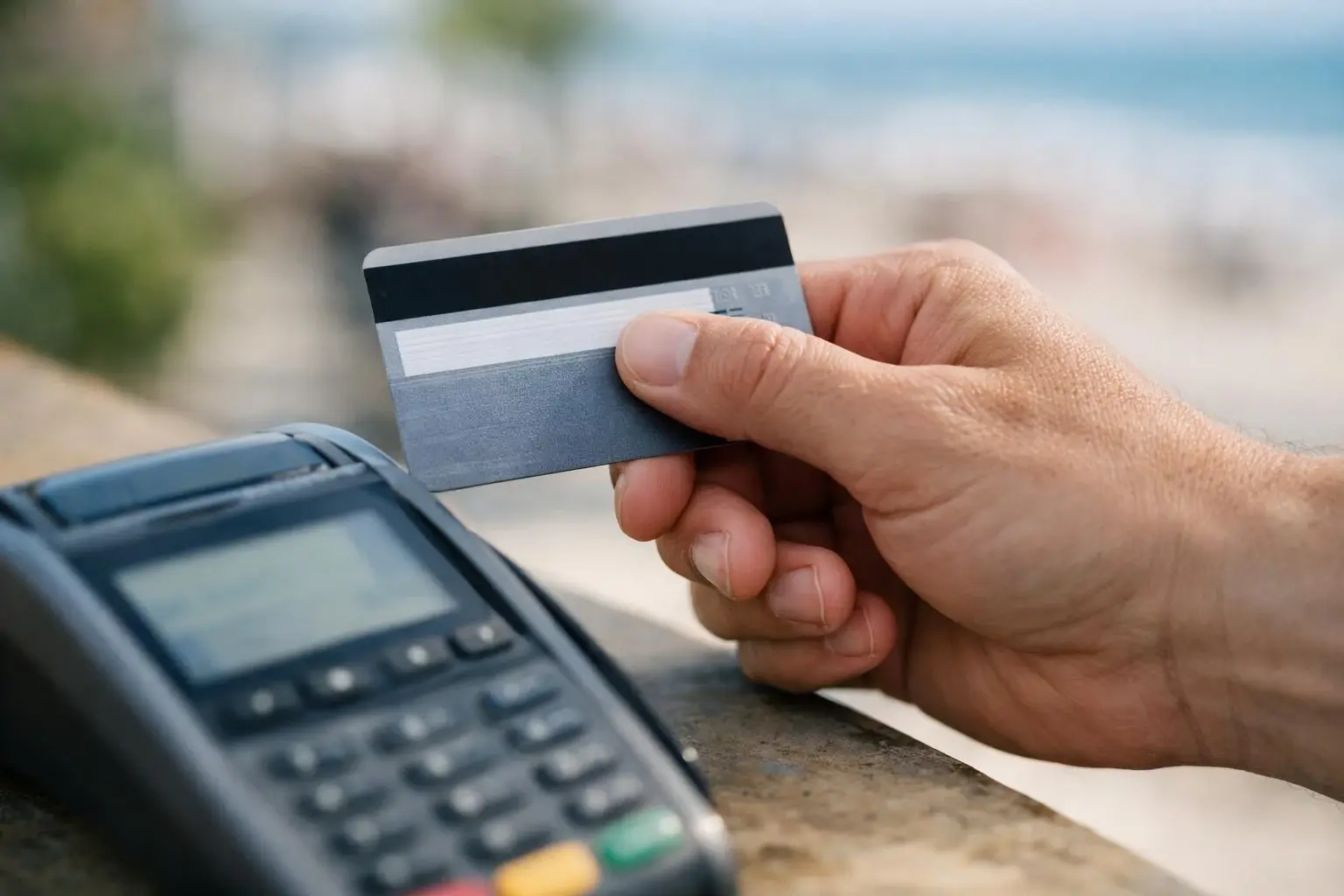
CVV helps reduce fraud in card-not-present transactions. These are riskier than in-person purchases. Without CVV, fraudsters could use stolen card numbers for unauthorized buys.
By requiring CVV, merchants add an extra security layer. It helps verify the transaction’s legitimacy. This lowers chargebacks, lost revenue. And reputational damage from fraud.
For merchants, CVV verification is both a security measure and a PCI DSS requirement. Failing to follow CVV storage rules can lead to fines. It may also result in higher fees or loss of merchant account privileges.
Merchants who skip CVV may face more fraudulent transactions. This can increase chargeback fees. Payment processors might even terminate their accounts.
When CVV Matters Most?
CVV matters most in situations where the cardholder isn't present. This includes e-commerce, phone orders. Or mail-order sales. In these cases, fraud risk is much higher.
The merchant can't verify the card’s physical presence. Requiring CVV helps reduce this risk. It ensures the buyer has the card in hand. For example, a fraudster with a stolen number but no CVV can't complete the purchase.
CVV is also important for recurring billing or subscriptions. Merchants may store card details for future payments. But PCI DSS bans storing CVV, even for recurring transactions.
If a customer’s card is replaced, the merchant must collect the new CVV. Without it, payments may decline. This can disrupt service for the customer.