Understanding Address Verification Service

Address Verification Service (AVS) is a security feature designed to help merchants and payment processors detect potentially fraudulent transactions. When a customer makes a purchase online, over the phone. Or through any other card-not-present channel, AVS compares the billing address provided during checkout with the address the card-issuing bank has on record. This process occurs in real time, typically within seconds. And returns a response code indicating the level of match between the addresses.
AVS is not a standalone fraud-proof system but rather one layer in a broader fraud prevention strategy. It focuses on the numeric portions of the address—specifically the street number and ZIP code—because these elements are less likely to change frequently and are harder for fraudsters to guess or manipulate. While AVS can reduce unauthorized transactions, it doesn't verify the cardholder’s identity, the card’s validity. Or the availability of funds. Merchants often combine AVS with other security measures, such as CVV verification and fraud detection algorithms, to create a more strong defense against fraud.
How Address Verification Service Works?
The AVS process begins when a customer enters their billing address during checkout. The merchant’s payment gateway or processor sends this address information to the card-issuing bank, which compares it to the address on file. The bank then returns a one-letter AVS response code indicating whether the address matched, partially matched. Or did not match. Common response codes include:
- Y (Full Match): Both the street number and ZIP code matched the bank’s records.
- A (Partial Match): The street address matched, but the ZIP code did not.
- Z (Partial Match): The ZIP code matched, but the street address did not.
- N (No Match): Neither the street address nor the ZIP code matched.
- U (Unavailable): The bank does not support AVS or could not verify the address.
Merchants use these response codes to set rules for transaction approval. For example, a merchant might choose to accept transactions with a full match (Y) but flag or reject transactions with a no-match (N) response. Some payment processors also use AVS results to adjust interchange fees, offering lower rates for transactions with a full match due to the reduced fraud risk. While AVS is widely supported in the United States, Canada. And the United Kingdom, its availability and effectiveness can vary in other countries, where address formats or banking systems may not align with AVS requirements.
Why Address Verification Service Matters?
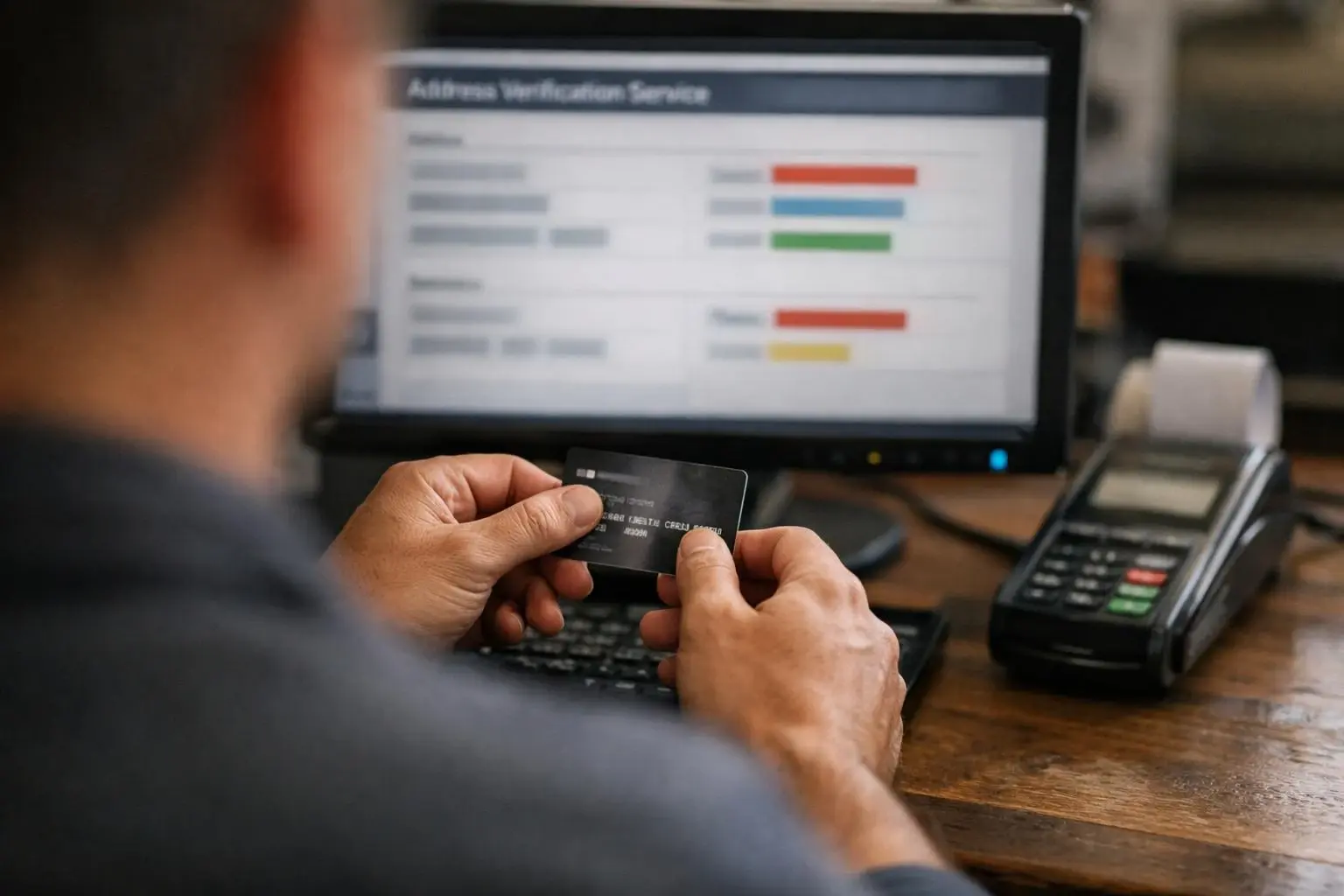
AVS plays a critical role in reducing fraud and chargebacks, particularly for merchants who process card-not-present transactions. Chargebacks occur when a cardholder disputes a transaction, often due to fraud. And the merchant is forced to refund the amount. High chargeback rates can lead to penalties, higher processing fees. Or even the loss of merchant account privileges. By using AVS, merchants can identify suspicious transactions before they're completed, reducing the likelihood of fraudulent purchases and the associated chargebacks.
Beyond fraud prevention, AVS also helps merchants qualify for lower interchange fees. Card networks like Visa and Mastercard offer reduced rates for transactions that meet certain security criteria, including AVS verification. This can translate into significant cost savings for businesses with high transaction volumes. And AVS provides merchants with a layer of legal protection in disputes. If a merchant can demonstrate that they used AVS and received a full match, they may have a stronger case in challenging a chargeback, as the transaction appears more legitimate.
When Address Verification Service Matters Most?
AVS is particularly important for businesses that rely on card-not-present transactions, such as e-commerce stores, subscription services. And phone-order businesses. These merchants face a higher risk of fraud because they can't physically verify the card or the cardholder’s identity. For example, an online retailer selling high-value electronics may use AVS to screen orders before shipping, reducing the risk of shipping goods to a fraudulent address. Similarly, subscription-based businesses, such as streaming services or membership sites, can use AVS to prevent unauthorized sign-ups.
AVS also matters in industries with high chargeback rates, such as travel, digital goods. And luxury retail. In these sectors, fraudsters often target merchants due to the high value of goods or services. By implementing AVS, merchants can create rules that automatically reject transactions with a no-match response, flag transactions for manual review. Or require additional verification steps, such as a phone call or email confirmation. But merchants must balance fraud prevention with customer experience. Overly strict AVS rules can lead to false declines, where legitimate transactions are rejected, resulting in lost sales and frustrated customers.