Understanding Swipe Fee

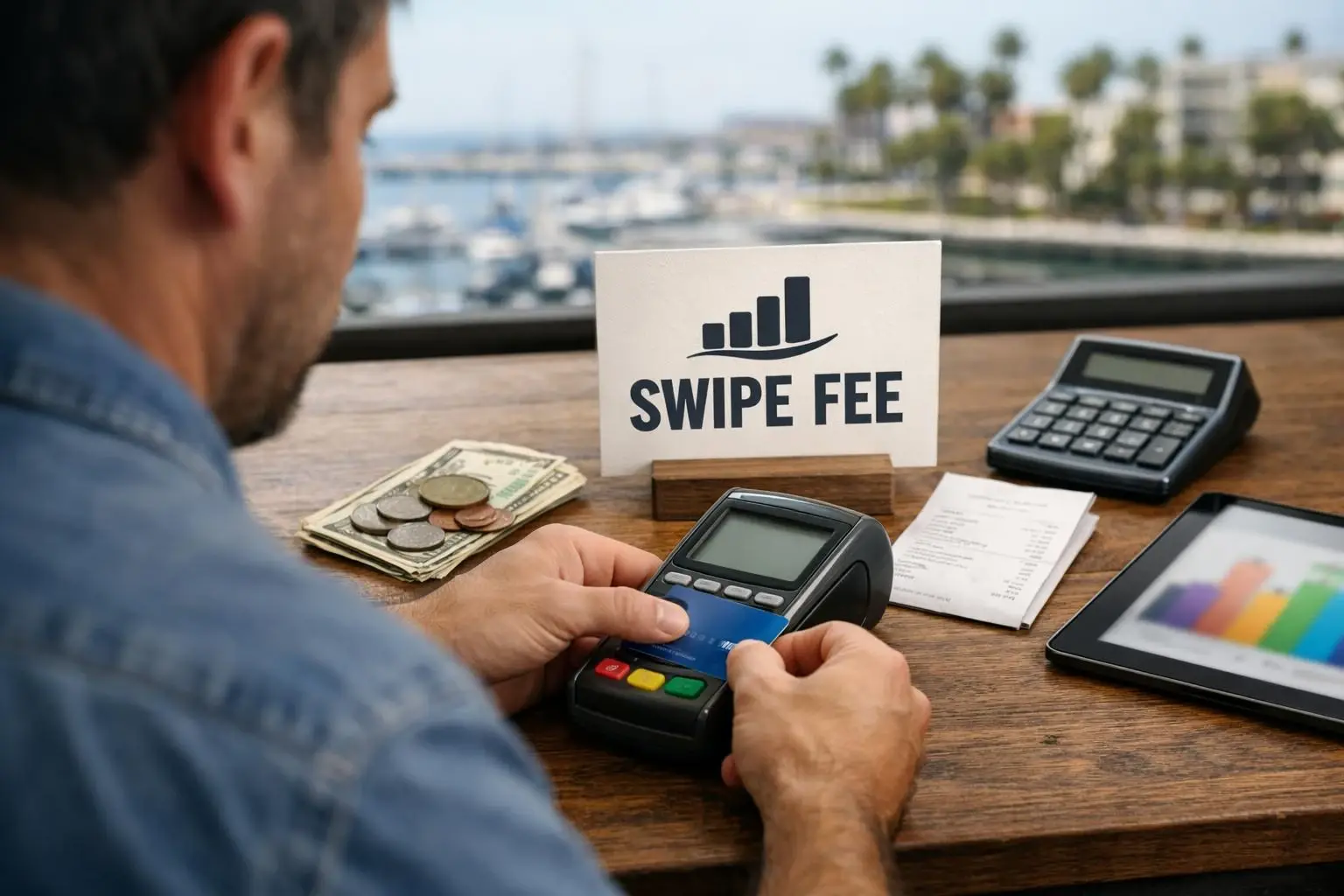
Swipe Fee, also called a merchant discount fee, is the charge merchants incur each time a customer pays with a credit or debit card in person. Unlike online or phone transactions, Swipe Fee applies specifically to card-present scenarios where the card is physically swiped, dipped into an EMV chip reader. Or tapped via contactless technology. The fee is not a single flat rate but a composite of several smaller fees set by card networks, issuing banks. And payment processors.
At its core, Swipe Fee compensates the multiple parties involved in moving money from the cardholder’s bank to the merchant’s account. Card networks like Visa and Mastercard establish baseline interchange rates. While issuing banks collect these interchange fees as compensation for risk and funding. Payment processors then add their own markup to cover processing services, fraud prevention. And customer support. The final Swipe Fee reflects this layered structure, making it one of the most visible costs of accepting electronic payments for brick-and-mortar businesses.
How Swipe Fee Works, Is Measured. Or Is Used?
Swipe Fee calculation begins the moment a card is presented at a terminal. The terminal reads the card data and sends it through the payment network to the cardholder’s issuing bank for authorization. Once approved, the transaction details—including card type, merchant category. And transaction amount—determine the interchange rate applied. Card networks publish interchange tables quarterly, with rates varying by factors like card rewards, business type. And transaction size. For example, a premium rewards card typically carries a higher interchange rate than a standard debit card.
The processor then adds its own markup, often expressed as a small percentage plus a fixed per-transaction fee. This markup covers the processor’s cost of routing the transaction, settling funds. And providing customer service. The total Swipe Fee is deducted from the transaction amount before funds are deposited into the merchant’s account, usually within 1-2 business days. Merchants receive a monthly statement detailing each transaction’s Swipe Fee breakdown. Though many processors summarize fees into a single blended rate for simplicity.
Swipe Fee is typically expressed as a percentage of the transaction amount plus a fixed fee, such as 2.2% + Swipe Fee represents a significant operating cost for merchants, often ranking just behind rent and payroll in expense categories. For small businesses, Swipe Fee can consume 2-4% of gross revenue, directly impacting profit margins. Unlike fixed costs such as utilities or insurance, Swipe Fee scales with sales volume, meaning successful businesses face higher absolute fees even if their percentage rates remain stable. This scalability makes Swipe Fee a critical consideration in financial planning, pricing strategies. And cash flow management. Beyond cost, Swipe Fee influences business decisions about payment acceptance. Some merchants choose to impose surcharges on credit card transactions to offset Swipe Fee. Though this practice is regulated by card network rules and state laws. Others may set minimum purchase amounts for card payments or encourage cash transactions to avoid fees. Understanding Swipe Fee also helps merchants evaluate processor contracts, compare pricing models. And negotiate better rates based on transaction volume, average ticket size. And business category. In competitive industries, even small differences in Swipe Fee can affect pricing flexibility and customer value propositions. Swipe Fee becomes particularly important during key business decisions and operational changes. When selecting a payment processor, merchants should compare Swipe Fee structures across providers, looking for transparency in interchange pass-through pricing versus bundled rates. Swipe Fee also matters when expanding payment options, such as adding contactless or mobile wallet acceptance, which may carry different fee schedules than traditional card swipes. Businesses with seasonal sales patterns should monitor Swipe Fee fluctuations during peak periods, as higher transaction volumes can lead to unexpected fee increases. Many projects start with Swipe Fee also plays a role in customer experience strategies. Merchants offering premium services or high-value products may find that absorbing Swipe Fee preserves customer goodwill. While budget-focused businesses might pass fees along through surcharging or cash discounts. Compliance considerations arise when implementing surcharge programs, as card networks and state laws impose strict disclosure and fee cap requirements. Finally, Swipe Fee matters during chargeback disputes, as merchants may still owe fees even if a transaction is later reversed. Understanding these scenarios helps businesses anticipate costs, avoid surprises. And make informed decisions about payment acceptance.Why Swipe Fee Matters?
When Swipe Fee Matters Most?