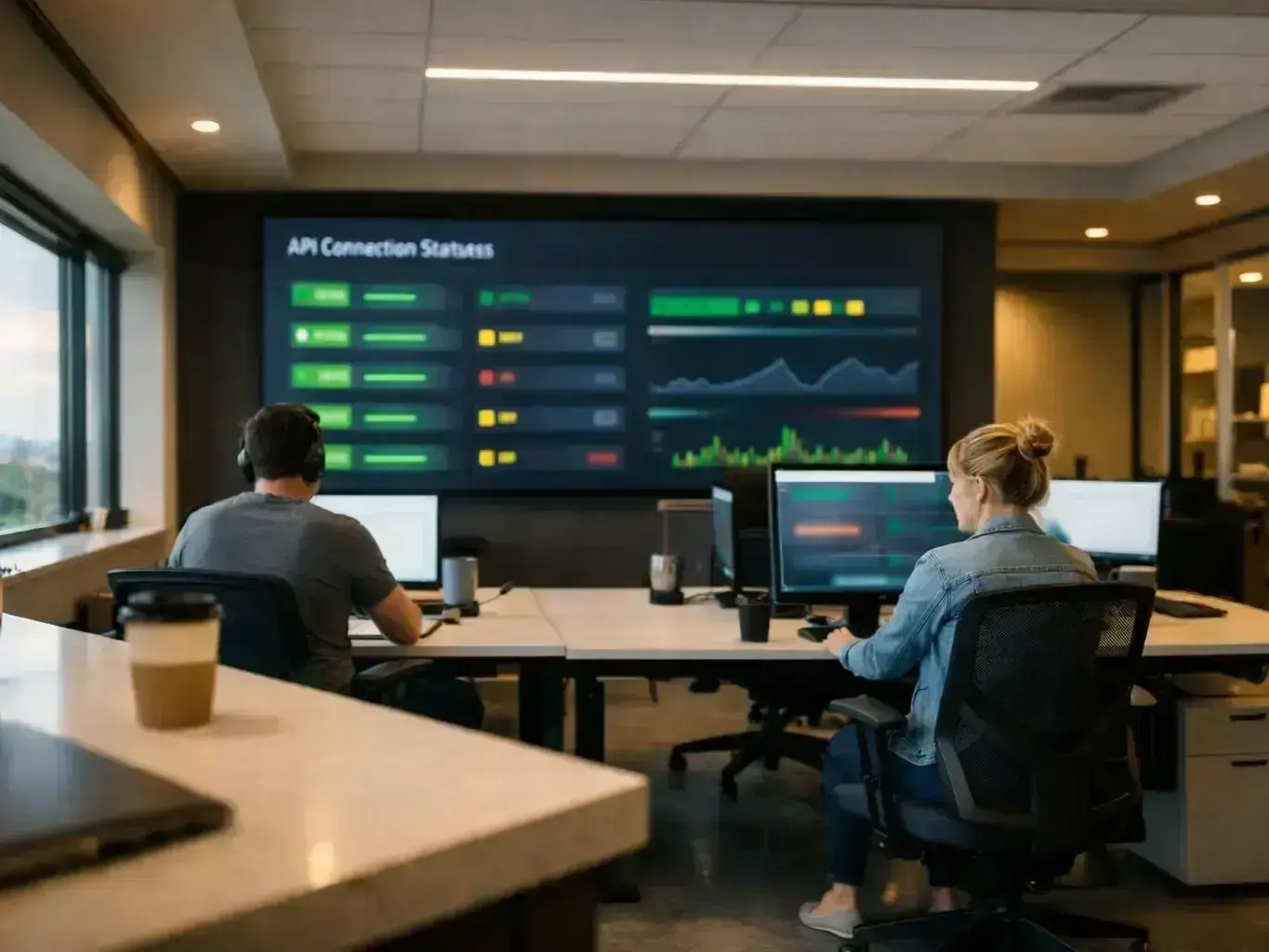
Understanding Recurring Billing
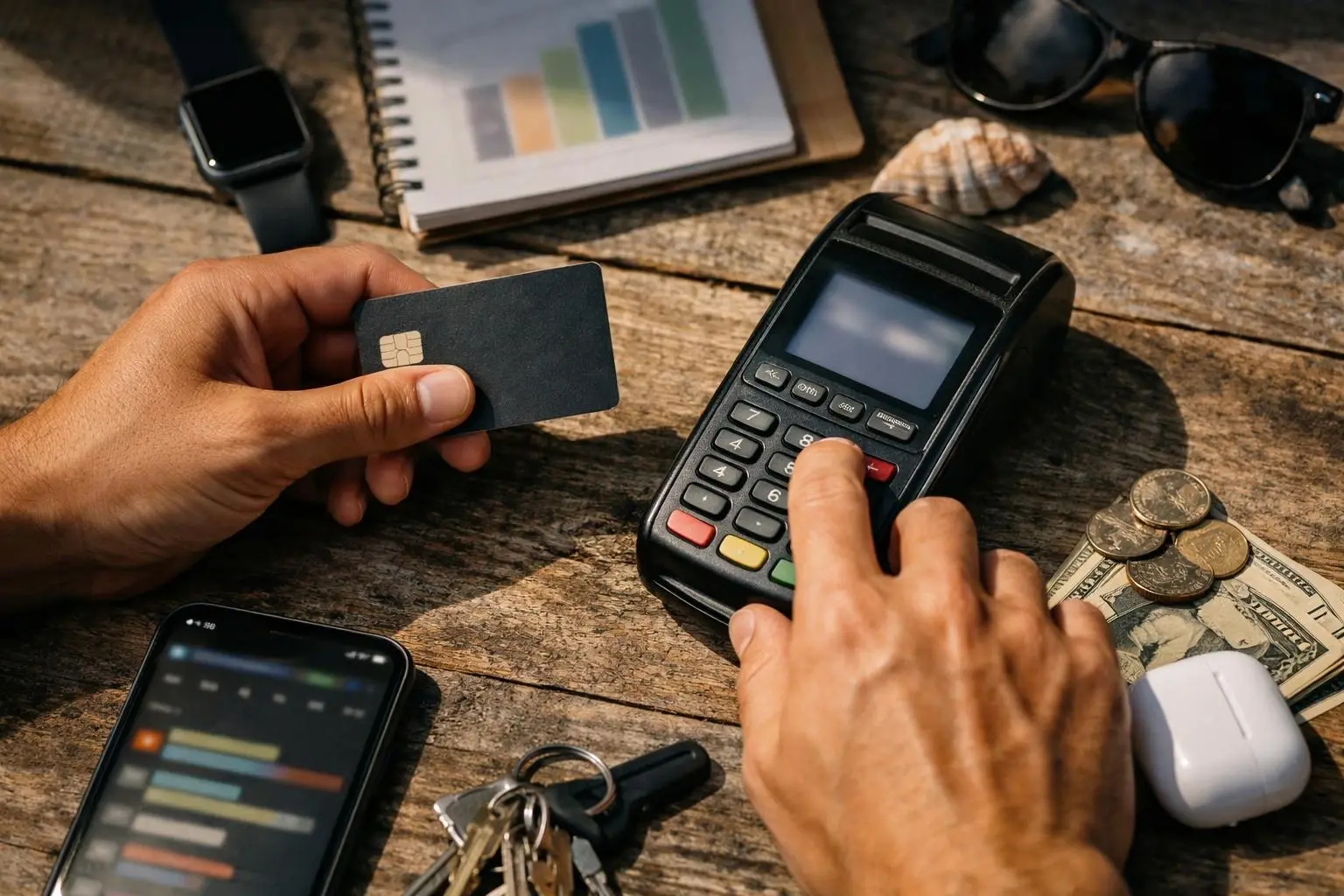
Recurring Billing simplifies collecting funds for businesses. It works for ongoing services, subscriptions. Or memberships. Customers don’t need to authorize each payment manually. Instead, merchants set up a schedule.
The system charges the customer’s stored payment method on the set date. This relies on secure storage of payment details, often through tokenization. Tokenization protects card data while allowing smooth transactions.
Recurring Billing cuts the risk of late or missed payments for businesses. These issues can disrupt cash flow and increase costs. Customers enjoy convenience since they don’t need to remember due dates. They also don’t have to submit payments manually.
Merchants must get explicit consent before enrolling customers. They must also provide clear terms on billing frequency, amounts. And cancellations. Failing to do so can lead to disputes, chargebacks. Or penalties.
How Recurring Billing Works?
The process starts when a customer agrees to automatic payments. This often happens during checkout or account setup. The merchant’s payment processor securely stores the customer’s payment details.
The system converts the card number into a token. This token replaces sensitive data. It’s linked to the customer’s account and used for future transactions. The actual card number stays hidden.
On each billing cycle, the system triggers a transaction. The payment processor contacts the card network and the customer’s bank. If approved, funds move to the merchant’s account. And the customer gets a receipt.
If the transaction fails, the system may retry. It could also notify the merchant to update the payment method. Failures happen due to insufficient funds, expired cards. Or other issues.
Merchants can customize billing schedules. A streaming service might bill on the same day each month. A utility provider might align charges with meter readings. Some systems support variable billing based on usage.
Transparency is critical, especially with variable amounts. Customers must get advance notice of upcoming charges. This ensures they’re aware of any changes.
Why Recurring Billing Matters?
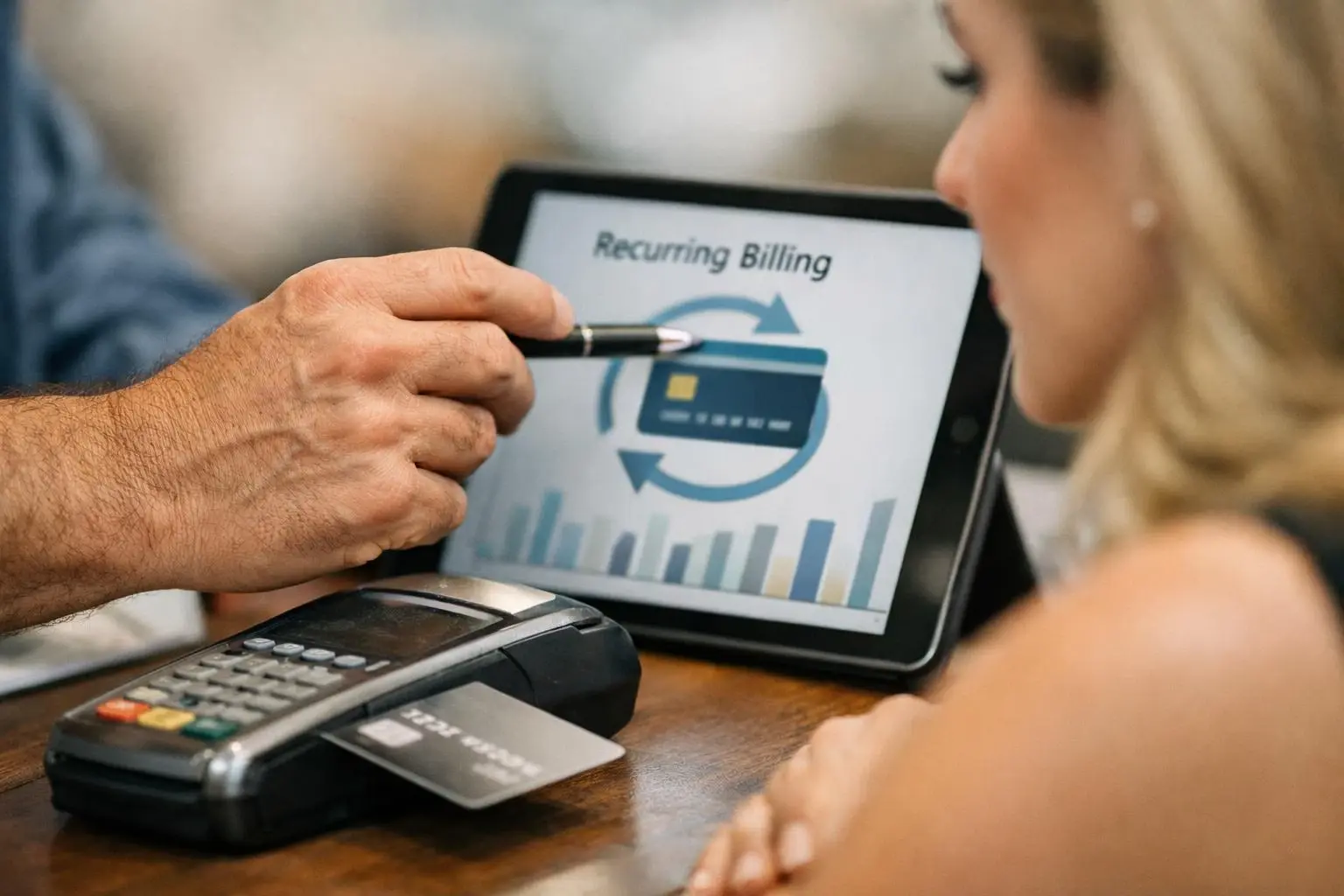
Recurring Billing is key for modern commerce. It’s especially useful for subscription or membership-based businesses. Automating payments helps merchants predict cash flow better.
It also cuts collection costs and improves customer retention. Customers enjoy automatic payments since they avoid service interruptions. They don’t face delays from forgotten payments or manual processing.
Recurring Billing lowers the risk of payment declines. Since transactions process automatically, merchants avoid late fees. They also dodge fees tied to failed manual transactions.
Tokenization and encryption ensure PCI DSS compliance. This protects merchants and customers from data breaches. But merchants must balance automation with flexibility.
Customers may need to update payment methods or cancel services. Failing to accommodate these requests can lead to disputes.
When Recurring Billing Matters Most?
Recurring Billing helps businesses with ongoing services or subscriptions. Examples include streaming platforms, SaaS providers. And gyms. It also works for insurance companies and utility providers.
These businesses benefit from predictable revenue. It reduces administrative work too. High-volume merchants, like online retailers, also rely on it for installment plans.
Some industries have strict compliance rules. Healthcare providers and financial firms must process payments securely. They must also do it transparently.
Failure to follow card network rules can lead to fines. It can also cause legal action or reputational harm. Businesses must provide clear cancellation policies and get proper consent.
International businesses face varying regulations. California’s automatic renewal laws require advance notice of billing terms. They also need easy cancellation options.
In Long Beach, CA, local service providers benefit too. These include fitness centers, co-working spaces. And home maintenance companies. Recurring Billing helps them maintain steady cash flow.
It also cuts down on manual invoicing and collections. This saves time and reduces hassle for both businesses and customers.